The same coach every week
A certified recovery specialist who has been through recovery themselves, on video, thirty minutes at a time, once, twice or three times a week depending on the plan.
Home › Recovery coaching › For families
For families
When someone you love joins Accountable, their coach works with you, too. A person to call, a family group every week, and, when they choose it, a way to hear how they are doing without asking. Nobody should have to guess when to step in and when to step back. Sign them up now or schedule a 15-minute intro call first.


What you get
Their coach helps you know what to say after a hard week, what not to say, and when a worry is worth a call.
Once your loved one has joined, you can come to the weekly family group on Zoom.
If they choose to share it, you can see milestones, coaching sessions, check-ins, and test results. Only what they share, and they can change that any week.
How it works for them
Their coach is a certified recovery specialist who has been through recovery themselves. They see the same person every week on video, test at home, and can join a group any day. They pick who is in the know and how much each person sees, and they can change that any week. Their coach keeps everyone on the same page.
If they miss a session or a check-in, or test positive, nothing automatic happens. They get a message from their coach, not a report to anyone else, and nobody is dropped for a relapse. If we are worried about their safety, we tell them first and help them get to clinical care.
What they get
A certified recovery specialist who has been through recovery themselves, on video, thirty minutes at a time, once, twice or three times a week depending on the plan.
A breathalyzer check twice a day with facial verification, and random saliva screens on recorded video. They do not schedule the tests. Nobody sees a result unless they have shared it.
Group recovery meetings on video every day, led by a coach. They can talk or just listen.
Their therapist, their doctor, their sponsor, a parent, a partner, a close friend. They pick who is in the know and how much each person sees.
Members range from four days out to five years in, and about one in six are here for harm reduction, not abstinence. We support every path to recovery, including medication-assisted treatment, and we do not give medical advice.
How to start
Sign them up in a few minutes, or set up a 15-minute intro call first if you want to talk it through.
One, two or three coaching sessions a week. Most people start at two and step down to one as things settle. Change or cancel any month.
The breathalyzer arrives at their door, and check-ins run through the app from day one.
A first session as soon as the next business day, and sometimes the same day, during business hours. Once they have joined, you can come to the weekly family group.
In crisis? Call or text 988 (Suicide & Crisis Lifeline).
Plans
Every plan includes the testing, the daily groups, messaging and care coordination. There is a one-time $125 device fee. Everything is month to month, and you can change plans or cancel any month. Some members are covered through their health plan; we check before you pay anything. The pricing page has the full breakdown.
Your coach
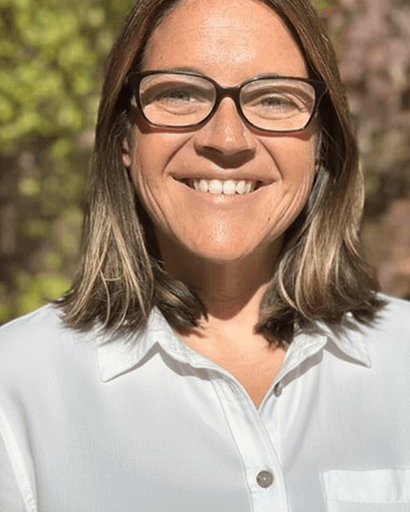
In recovery from opioid addiction since April 2012, after a decade in and out of treatment. Her daughter has never seen her use.
Read Megan's story →
Started drinking at 12 to quiet anxiety and got sober after dropping out of college. Now the team's community manager, and says it is never too late.
Read Katie's story →
Raised in Detroit, came through incarceration and recovery to fatherhood and service, and uses every chapter of it to help someone else.
Read Nick's story →
A shy kid who found alcohol and then found her way back through a second trip to rehab.
Read Ailish's story →Who this is for
Parents whose adult child just came home from treatment, or never went.
Helping an adult child →Adult children who are worried about a parent's drinking and not sure how to raise it.
Talking to a parent about drinking →Anyone trying to work out whether what they are seeing is a problem.
Signs of a drinking problem →Partners and spouses who want the did-you-or-didn't-you conversation to stop happening at home.
How monitoring works →Parents of a teen, 13 to 17, who want a coach who has been there and a group that is only teens.
For parents of teens →Families of older adults, where drinking or medication use changed after retirement.
Substance use in older adults →Does it work?
Ninety-eight out of a hundred members surveyed in 2026 said they would recommend Accountable to someone they love (592 surveyed). The research on recovery support, with sources, is in the guide on whether virtual recovery support works.
"They do what they say they're going to do, even when I resented them for it at times. They've been instrumental in coordinating care, giving my family peace of mind, and most importantly, holding me accountable."
Olivia M., member
"The daily check-ins and encouragement from the team have kept me motivated and focused on my goals. I don't feel alone in this process anymore."
Samantha L., member
"My peer coach, Dani, is wonderful and very supportive. She really understands where I'm coming from and my struggles from day to day. I will continue with the groups and my progress thanks to this program."
Rebecca A., member
Common questions
You stop being the one who checks. Accountable puts a breathalyzer check twice a day and random saliva screens between the two of you, and a coach who talks with him every week. If he chooses to share results with you, you see them in the app without asking. If he chooses not to, his coach is still the person who knows, and you have a group of your own every week. Either way, the did-you-or-didn't-you conversation stops happening at your kitchen table.
Yes. The breathalyzer and the saliva screens run through the app on his phone, with facial verification, wherever he lives. You never hand him a test. He decides who sees results, and if he adds you, you see them as they post. Many parents sign an adult child up from another state.
Have support in place before the discharge date, agree together on what accountability will look like, and get support for yourself. The first weeks home are when return to use is most likely. If you tell us before discharge, a coach is ready the day they get home. Our guide to staying sober after rehab has a section for families.
Yes, and it is more than one. A remote sobriety monitoring device sends scheduled breathalyzer results to the contacts a person chooses, and that is where it stops. Accountable includes a breathalyzer twice a day too, and adds random saliva screening for drugs, a coach your loved one sees every week, a group every day, care coordination with their clinicians, and a weekly family group for you. If testing alone is what you need, a device may be enough. If you want a person in their corner between the tests, that is what we are built for.
Slowly, and with something other than promises to go on. Objective testing that your loved one chooses to share gives you a reason to believe them that does not depend on your instincts. A coach gives them somewhere to take a hard week that is not you. And the family group gives you people who have been exactly where you are. Trust comes back when the checking stops being your job.
Yes. Sign them up now, or schedule a 15-minute intro call first if you want to talk it through. A first session as soon as the next business day, and sometimes the same day, during business hours.
Only what they share: milestones, coaching sessions, check-ins, and, if they choose, test results. They control who sees what and can change it any week. Their treatment program hears from us only with a signed release.
No. Accountable is recovery support. Coaches are certified recovery specialists who have been through recovery themselves, not therapists or doctors. We work alongside their treatment program, therapist, or prescriber, and we will tell you if we think they need more care than we provide.
Nothing automatic. They get a message from their coach, not a report to anyone else. Nobody sees a result unless they have shared it, and nobody is dropped for a relapse. At-home tests are screening tools, not lab results. If we are worried about their safety, we tell them first and help them get to clinical care.
No. Members range from four days out to five years in, and about one in six are here for harm reduction, not abstinence. We support every path to recovery, including medication-assisted treatment.
Plans start at $375 a month, month to month. Two sessions a week is $650, three is $850, and there is a one-time $125 device fee. Some members are covered through their health plan; we check before anyone pays.
Sign them up now, or call (646) 450-7641 weekdays 9 to 7 ET.