Online recovery coaching that keeps working after treatment ends.
The same recovery coach every week, on video, a certified specialist who has been through recovery themselves. Daily at-home breathalyzer checks and random saliva screening. Group recovery meetings every day. Messaging and care coordination in between. One connected system, from home, month to month, from $375.
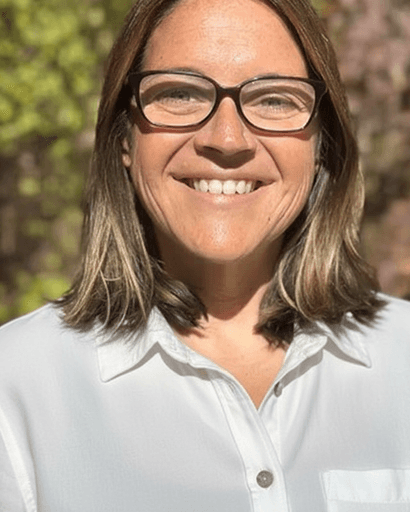
Dave A.NCPRSS, CPS, MARSMegan M.NCPRSS, ICADC, CACCorbin M.NCPRSSLiz G.NCPRSS
What a recovery coach is
Not a therapist. Not a sponsor. A certified coach who has been through it.
A recovery coach is someone who has been through recovery, holds a national certification, and meets with you every week to help you build a life that holds. Accountable is recovery support, not treatment. Coaches are not therapists or doctors, and they work alongside your treatment program, therapist or prescriber. If we think you need more care than we provide, we tell you. You may also hear this role called an addiction coach or a sober coach. It is the same job under a different name.
The coaches on this page all hold the NCPRSS credential (National Certified Peer Recovery Support Specialist), and several hold state credentials on top of it. Lived experience is why members trust them; the certification is how we make sure that experience is used well. Our guide to what recovery coaching is covers the job week by week, and the recovery coaching vs. therapy comparison explains where the line sits.
How it works
A coach, a care team, testing and a group, held together by the app.
You see your coach every week
Same person, every week, on video from wherever you are. Someone who has been through recovery and is certified to coach you through yours. Sessions are thirty minutes, once, twice or three times a week depending on your plan, scheduled around your life, for as long as you want them.
You build your care team
Your therapist, your doctor, your sponsor, a parent, a partner, a close friend. You pick who is in the know and how much they see, and you can change that any week. Your treatment program hears from us only with a signed release.
Testing runs at home
Every plan includes a breathalyzer check twice a day with facial verification, and random saliva screens on recorded video. You do not schedule the tests. Nobody sees a result unless you have shared it.
A group meets every day
Group recovery meetings on video every day, open to every member and led by a coach. Come to as many as you want. You can talk or just listen.
The app holds it together: join sessions, complete check-ins, view results, track progress and message your coach in between. If you miss a session or a check-in, or test positive, nothing automatic happens. You get a message from your coach, not a report to anyone else, and nobody is dropped for a relapse. If we are worried about your safety, we tell you first and help you get to clinical care.
How to start
Online in a few minutes. A first session as soon as the next business day.
01
Start online or book a call
Sign up in a few minutes, or set up a 15-minute call first if you want to talk it through.
02
Pick a plan
One, two or three coaching sessions a week. Most people start at two and step down to one as things settle. Change or cancel any month.
03
Your device ships to you
The breathalyzer arrives at your door, and check-ins run through the app from day one.
04
Meet your coach
A first session as soon as the next business day, and sometimes the same day, during business hours. The same person every week from there.
In crisis? Call or text 988 (Suicide & Crisis Lifeline).
Plans
Three plans. The only difference is how often you meet your coach.
Every plan includes the testing, the daily groups, messaging and care coordination. There is a one-time $125 device fee. Everything is month to month, and you can change plans or cancel any month. Some members are covered through their health plan; we check before you pay anything. The pricing page has the full breakdown.
Your coach
Certified coaches who have been through recovery themselves.
Dave A.NCPRSS, CPS, MARS
Got sober in St. Louis after years of trying, earned his peer certification, and ran a 30-bed sober living intake before joining Accountable.
People who are sober-curious, or working toward a goal they set, like drinking less. About one in six members are here for harm reduction, not abstinence.
Ninety-eight out of a hundred members surveyed in 2026 said they would recommend Accountable to someone they love (592 surveyed). The research on recovery support, with sources, is in the guide on whether virtual recovery support works.
"They do what they say they're going to do, even when I resented them for it at times. They've been instrumental in coordinating care, giving my family peace of mind, and most importantly, holding me accountable."
Olivia M., member
"The daily check-ins and encouragement from the team have kept me motivated and focused on my goals. I don't feel alone in this process anymore."
Samantha L., member
"My peer coach, Dani, is wonderful and very supportive. She really understands where I'm coming from and my struggles from day to day. I will continue with the groups and my progress thanks to this program."
Rebecca A., member
Common questions
What people ask us.
Mostly, yes. Recovery coach, addiction coach and sober coach are names for the same role: someone who has been through recovery and meets with you regularly to help you stay on track. The one real difference is a sober companion, who lives or travels with a client for days or weeks. Accountable coaches are certified peer recovery specialists who meet with you every week on video, with daily testing and a group every day in between.
Put something in place before the structure ends, not after. The first weeks home are when return to use is most likely, and the gap between discharge and the next appointment is where most people get in trouble. Accountable fills that gap: a coach you see every week from the first business day home, a breathalyzer check twice a day, random saliva screens, a group every day, and your therapist or program in the loop as much as you want. Our guide to staying sober after rehab walks through the first 90 days.
No. Accountable is recovery support. Coaches are certified recovery specialists who have been through recovery themselves, not therapists or doctors. We work alongside your treatment program, therapist, or prescriber, and we will tell you if we think you need more care than we provide.
They do different jobs. A therapist treats what is underneath: trauma, depression, anxiety, the reasons. A recovery coach works on this week: the plan for Friday night, the conversation with your partner, the check-in you skipped. Many members do both, and your coach coordinates with your therapist when you want them to. If you only have one, a therapist is treatment and a coach is not.
Anyone working on their relationship with alcohol or drugs, at home: sober-curious and not sure yet, staying sober after treatment, or working toward a goal you set, like drinking less or using more safely. Members range from four days out to five years in, and about one in six are here for harm reduction, not abstinence.
Meetings give you an hour. IOP gives you a few months. Accountable gives you the same coach every week, daily group meetings, daily testing, and care coordination for the year after, from home, with your family and your clinicians in the loop only as much as you want. Many members do all three.
It is built not to. Probation tests you to catch you. We test so the conversation with your coach can be about your life instead of about whether you used. The breathalyzer runs twice a day and the saliva screens are random, so nobody has to ask. You decide who sees results, and nothing automatic happens on a missed check-in or a positive test.
Nothing automatic. You get a message from your coach, not a report to anyone else. Nobody sees a result unless you have shared it, and nobody is dropped for a relapse. At-home tests are screening tools, not lab results. If we are worried about your safety, we tell you first and help you get to clinical care.
Only if you add them. You pick who is on your care team and how much each person sees, and you can change it any week. Nothing goes to an employer, a court, or a program without your written release. If you want to share results with someone, for a custody agreement or a return-to-work plan, you can, and the record is timestamped and verified.
Plans are $375, $650 or $850 a month for one, two or three sessions a week, with a one-time $125 device fee. Every plan includes the breathalyzer, the screens, daily groups and messaging. Some members are covered through their health plan, and coverage is expanding; we check before you pay anything.
There is no fixed term. Many members plan around the first year after treatment, when return to use is most likely, and step down from two sessions a week to one as things settle. It is month to month, so you change or cancel any month.
No. We support every path to recovery, including medication, and we coordinate with your prescriber when you want us to. We do not prescribe, and we do not give medical advice.
Start online in a few minutes, or set up a 15-minute call first if you want to talk it through. A first session as soon as the next business day, and sometimes the same day, during business hours.
Ready when you are.
Start online in a few minutes, or call (646) 450-7641 weekdays 9 to 7 ET.