Rick’s Story: The Real Work Began After Getting Sober
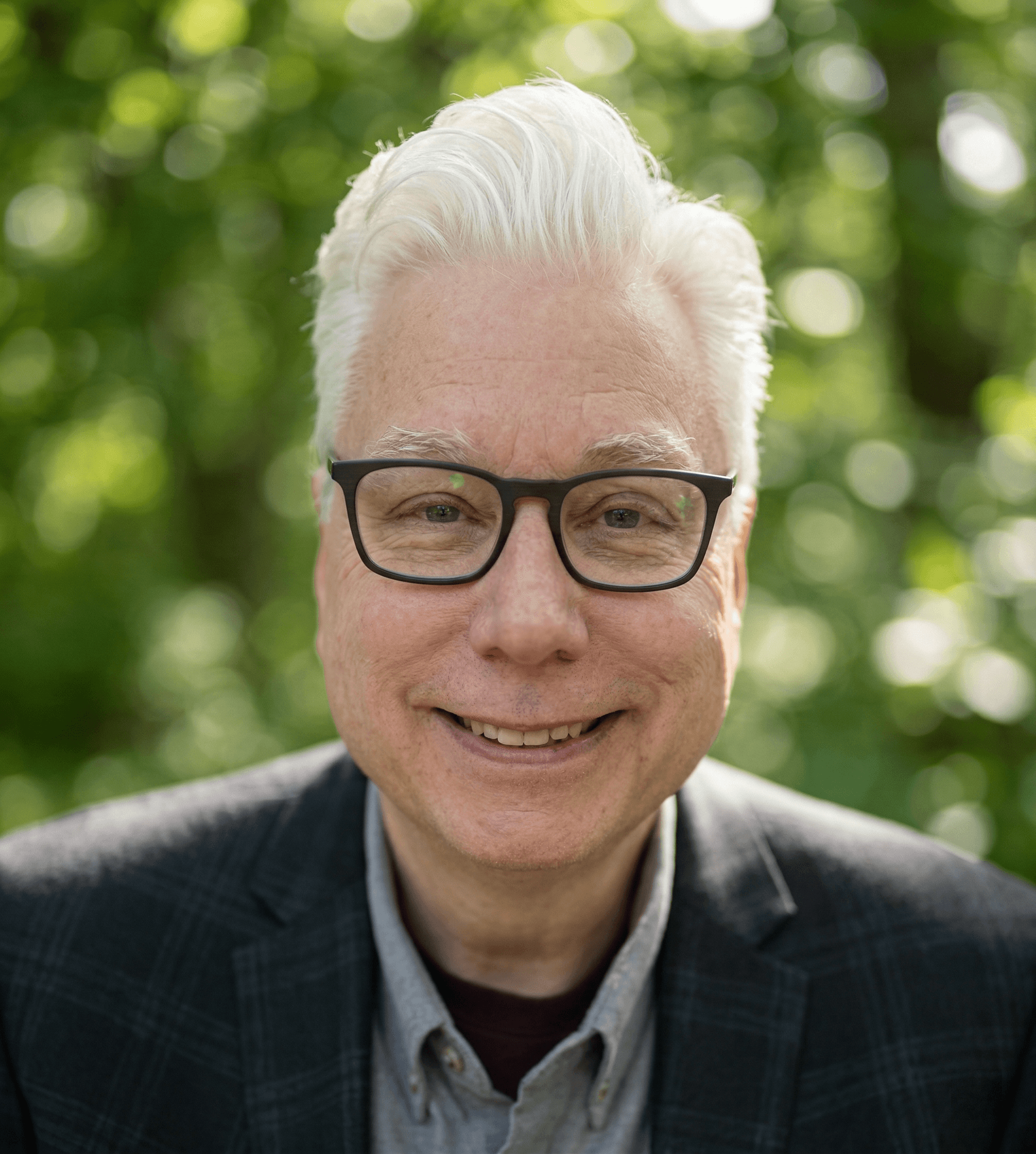
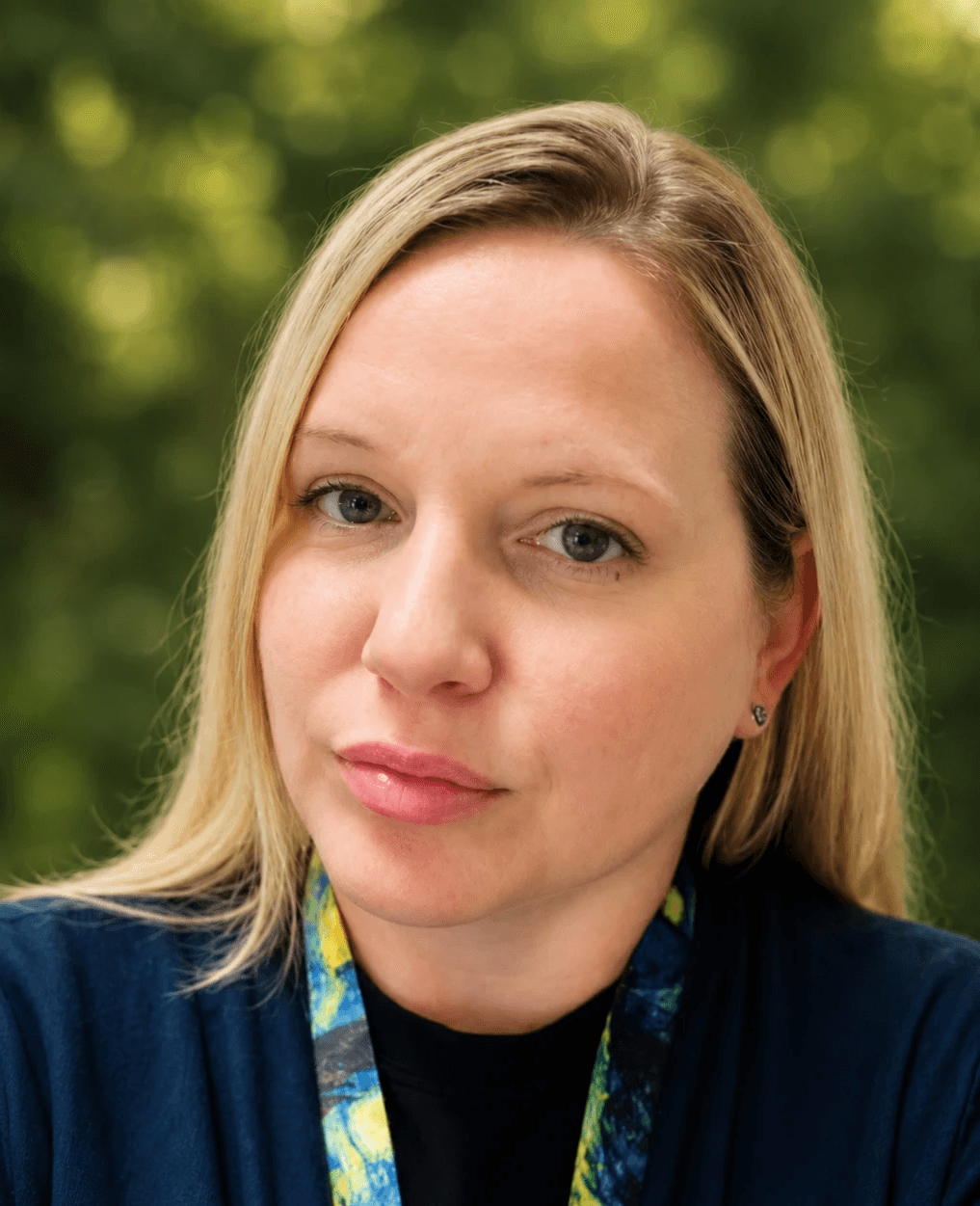
Rick Lepkowski
Like Groucho Marx used to say, “I was born at a very early age.” And, I believe I was born an alcoholic and addict. I had many of the developmental maladies associated with those with substance use disorder, and I come from a great lineage of alcoholics on both the fraternal and maternal sides of my family.
There was a lot going on in my house growing up and I learned quickly that if I kept my head down and occupied myself, I could keep out of the frey. Fortunately, I was of above average intelligence and could figure a lot of things out for myself. Despite a full and very active household, I lived a pretty isolated existence.
That changed when I started using substances. Smoking pot could help me bond with other kids. Drinking broke down my innate shyness, and I could talk to girls and be the life of the party. And, I discovered that if I took a pill or snorted something, I could drink even more. Particularly in college, I was part of the “in” crowd. We did our thing and had fun – and we did have fun.
As my alcoholism progressed, however, something changed. Instead of being a mover and shaker, I became more and more isolated. I was anxious and depressed. When I got up in the morning, my emotional state seemed to lie at some point on a continuum between mild anxiety and abject loneliness. There was no predictability to where I was going to be on that spectrum. Eventually, isolation and depression began to rule, blackouts were more frequent, and my standards for living spiralled downward. I had had enough.
So, I was going to do my recovery like I learned to do everything else in life: figure it out by myself. The result was three of the most excruciating years of my life. I did not pick up, but the early years of my recovery were brutal. I remained on an emotional roller coaster and didn’t have the drugs or alcohol to take the edge off. I went to AA meetings somewhat regularly, but didn’t reach out to others. The idea of getting a sponsor was terrifying. I ignored many of the recommendations given in the rooms, including the one about not getting into a relationship in early sobriety.
Pain can be a great motivator. It got me into recovery, and, eventually, it helped me realize that staying clean and sober and living a happy and productive life was something I could not do alone. Finally, I thought that maybe these people knew what they were talking about. Maybe if I got out of my comfort zone and started connecting with others that my life would change. I started doing service. I got a sponsor and started working the 12 Steps. I started reaching out to newcomers. I began socializing with others in recovery.
This is when my life began to change. The anxiety and depression receded and, eventually, with the help of therapy and medication, dissipated almost completely. I still have my moments, like everyone, but the anxiety and depression is not nearly as deep and doesn’t last nearly as long. At some point, and after many instances of pushing my emotional envelope, I finally became a good-standing member of the human race.
I also developed intimate relationships outside of those in recovery. I met the woman who eventually became my wife of more than 30 years. We live in a little house with, yes, a white picket fence out front on a nice street. We have two adult sons who have exciting careers and seem to be well adjusted. And, guess what? My wife has never seen me drunk or high. My sons have never seen me drunk or high. The dog has never seen me drunk or high.
Interestingly enough, outside of my family, nearly all the people I hang out with today are people in recovery. It was never a conscious decision to make that so. It just happened naturally. Ever since Bill Wilson visited Dr. Bob for the first time in 1935, there has been recognition that there is a special bond between those with substance use disorder. Just as importantly, people in recovery are living their lives the way I want to live mine: humbly, with dignity, and with a conviction to help others.
Slowly, I am becoming the man I only dreamt of becoming. Most days when I get out of bed, I am free of emotional turmoil. I have loving and meaningful relationships. When I accepted the fact that I needed the help of others, both in and out of recovery, and stepped out of my comfort zone I slowly joined the human race. And, you know what? I actually like it.